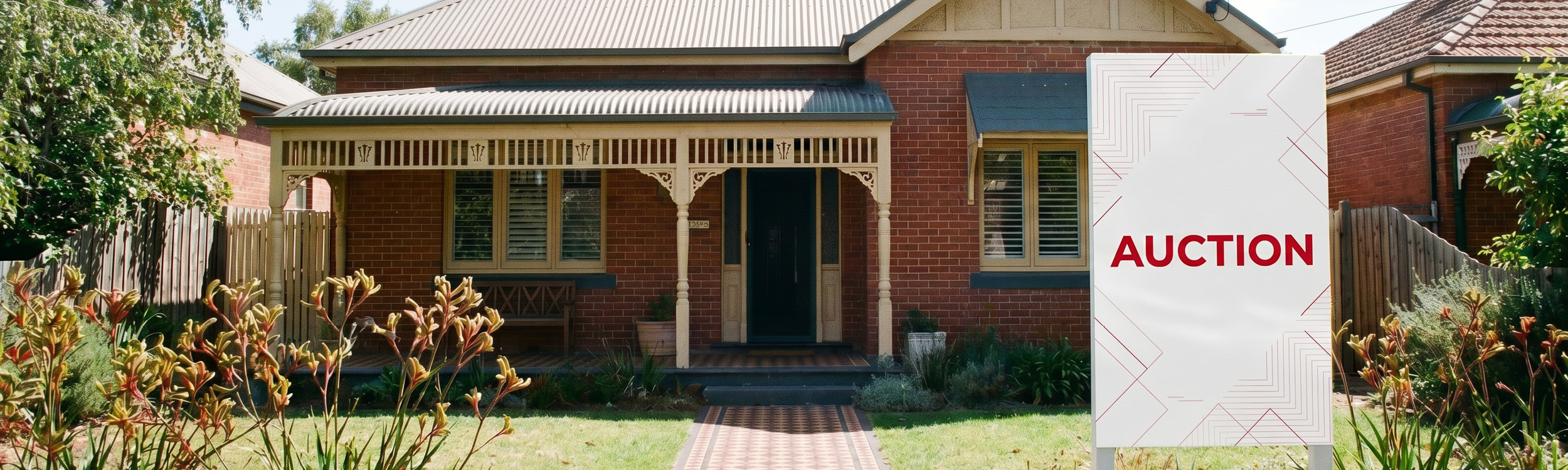
What’s driving the drop in auction clearance rates?
One of the clearest signs of this changing market can be seen in auction clearance rates. Nationwide, fewer properties are selling under the hammer, with clearance rates recently dipping below 50%. In Sydney and Melbourne, auction success rates have dropped to their lowest levels in years.
While this may sound like bad news for sellers, it could create opportunities for buyers. A softer market can mean less competition, more room to negotiate and a greater chance of finding the right property without feeling pressured to act quickly.
So, what’s driving the decline in auction clearance rates, and what could it mean if you’re looking to buy?
In the recent Federal Budget, the Government announced it would reform negative gearing and capital gains tax (CGT). These measures are now law.
Under the changes, which will apply from 1 July 2027, negative gearing for residential property investments will generally be limited to new builds. The 50% CGT discount for individuals, trusts and partnerships will also be replaced with cost base indexation and a 30% minimum tax rate on capital gains.
Existing investments held at 7:30pm AEST on 12 May 2026 will generally be exempt from the negative gearing changes, and CGT reforms applying only to gains that accrue after 1 July 2027.
These changes have cooled investor demand, with many putting their purchasing plans on ice. This in turn has impacted auction activity.
Changing market conditions have seen buyer demand soften, with many purchasers taking a more measured approach and spending longer evaluating their options. At the same time, some sellers are still adjusting their expectations to the current market environment, creating a wider gap between buyers’ and sellers’ expectations.
This gap in expectations is also influencing auction results. With buyers approaching the market more cautiously and auction clearance rates falling, some properties are not reaching their reserve price and are being passed in on auction day before moving to private negotiations.
Since the beginning of this year, we’ve seen the cash rate increase three times. Lenders have, in turn, increased their interest rates, which reduces the amount buyers can borrow.
Rising interest rates affect auction activity by tightening buyer budgets and impacting consumer confidence. With fewer eager buyers competing for properties, vendors might struggle to reach their reserve price, resulting in a property being passed in.
A cooling property market can create more opportunities for buyers. When fewer properties sell under the hammer, it often means less competition, fewer emotional bidding wars, and more room to negotiate on price and terms.
Instead of feeling pressured to make decisions in a competitive auction environment, buyers could have more time to complete their research, secure finance approval and negotiate directly with vendors. In some cases, sellers might also be more willing to consider offers before or after auction if they’re keen to achieve a sale.
For buyers who have been sitting on the sidelines, changing market conditions may provide an opportunity to reassess their options and purchasing plans. While every local market is different, changing conditions can open doors that would not have been available when competition was at its peak.
That’s why now could be a good time to speak with your broker. Whether you’re actively looking or simply keeping an eye on the market, having a clear understanding of your borrowing power and available finance options can help you be ready to act when an opportunity arises. With market conditions shifting, a home loan review can also help you assess whether your current loan remains appropriate for your needs and circumstances.
Before bidding at auction, it’s important to get a clear understanding of the current market values for similar properties in your desired area and understand your finance position. Auctions are typically unconditional. You can’t add a ‘subject to finance’ clause and there is no cooling off period.
If the reserve price is met and you’re the successful bidder, you’ll generally be required to sign the contract and pay a deposit on the day, typically 10% of the purchase price. From this point, the purchase becomes legally binding, with ownership transferring at settlement.
To better understand your borrowing capacity and available finance options, get in touch with us today. We can discuss your circumstances, explain the lending options available and help you navigate the application process.